
Heel Liner
Heel Liner
Couldn't load pickup availability
Suggested Styles
Suggested Styles
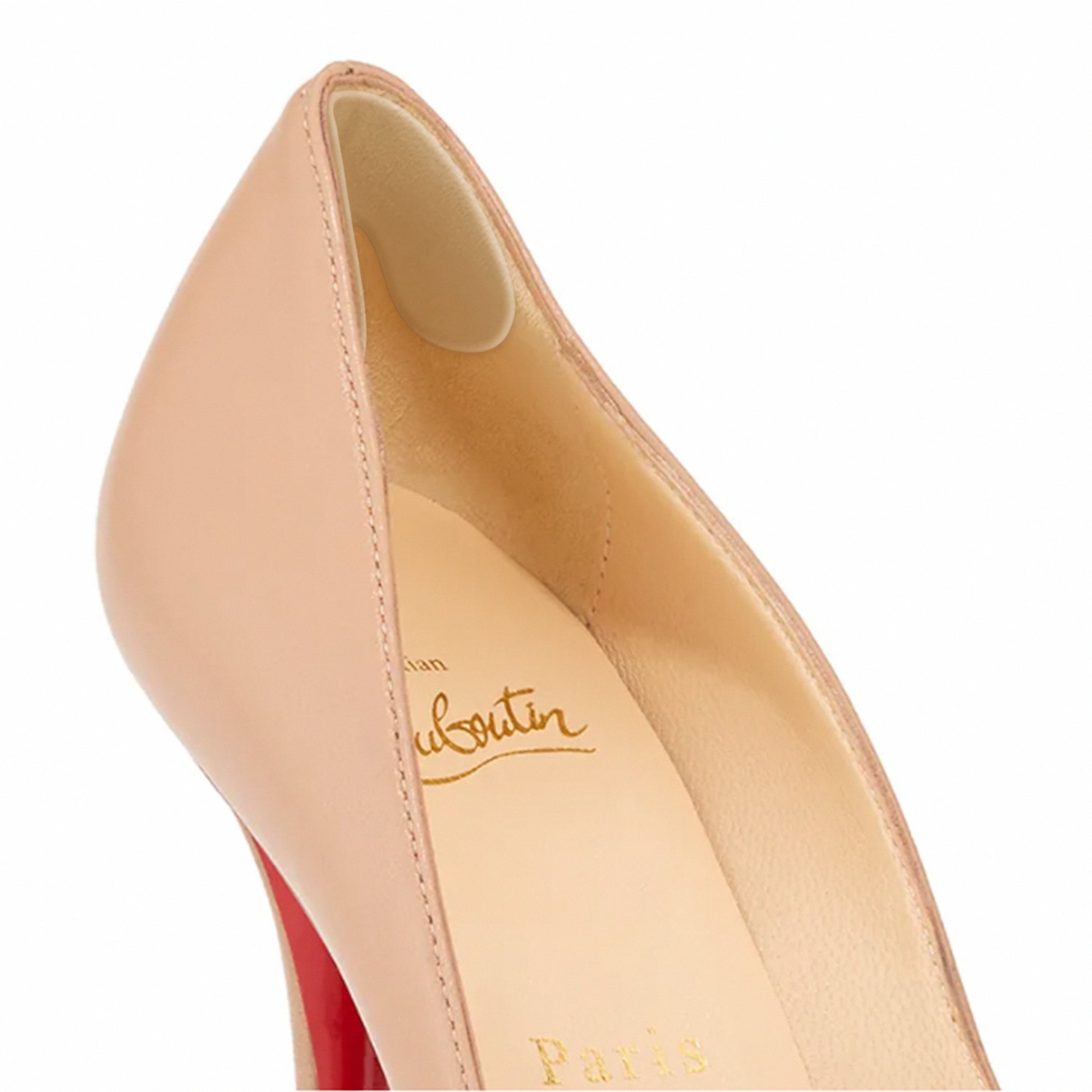
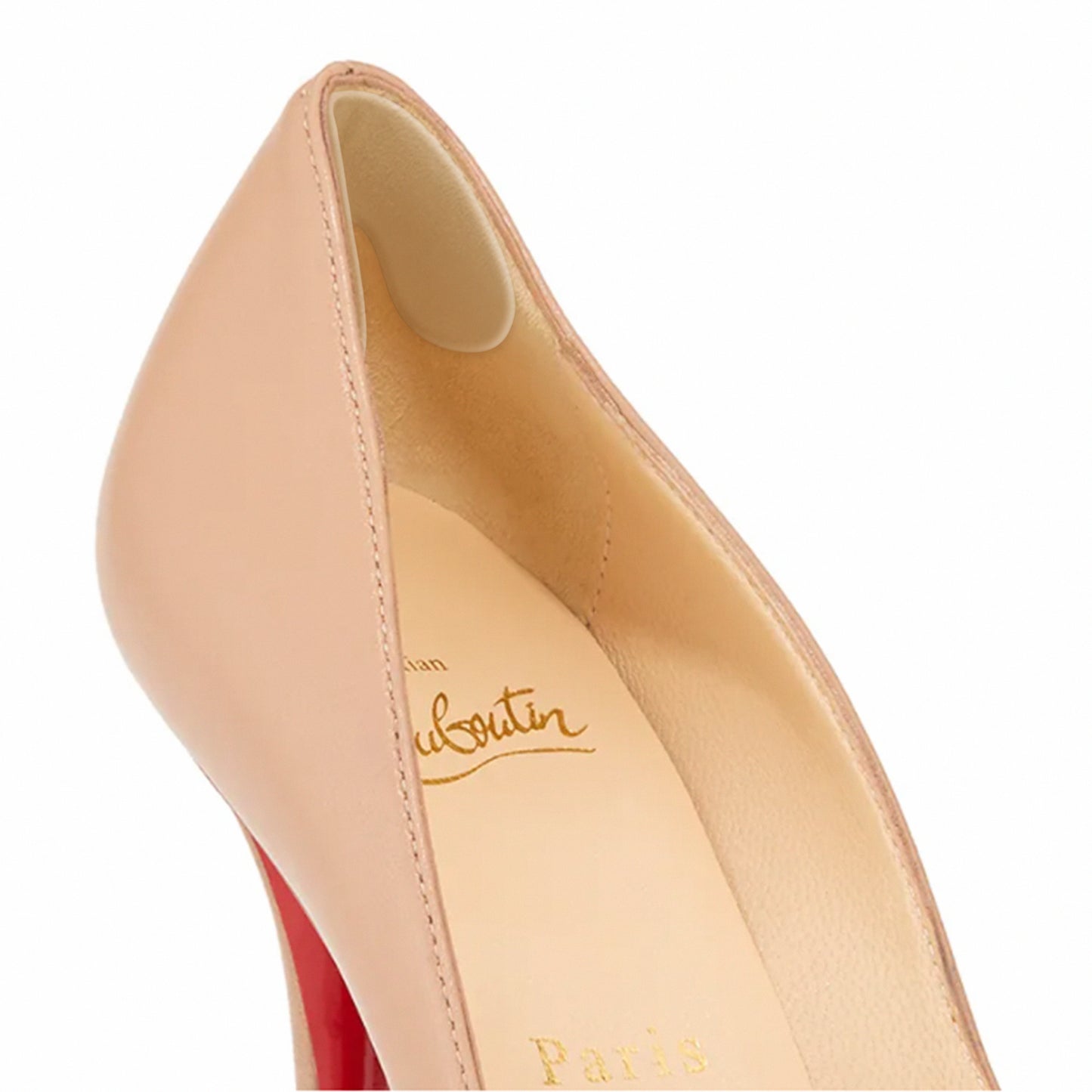
Suitable for pumps, stilettos, block heels, dress shoes, flats, and other compatible closed-back footwear with enough room inside the heel counter.
Need liners for several pairs? Explore the Heel Liner 3 Pack.
Description
Description
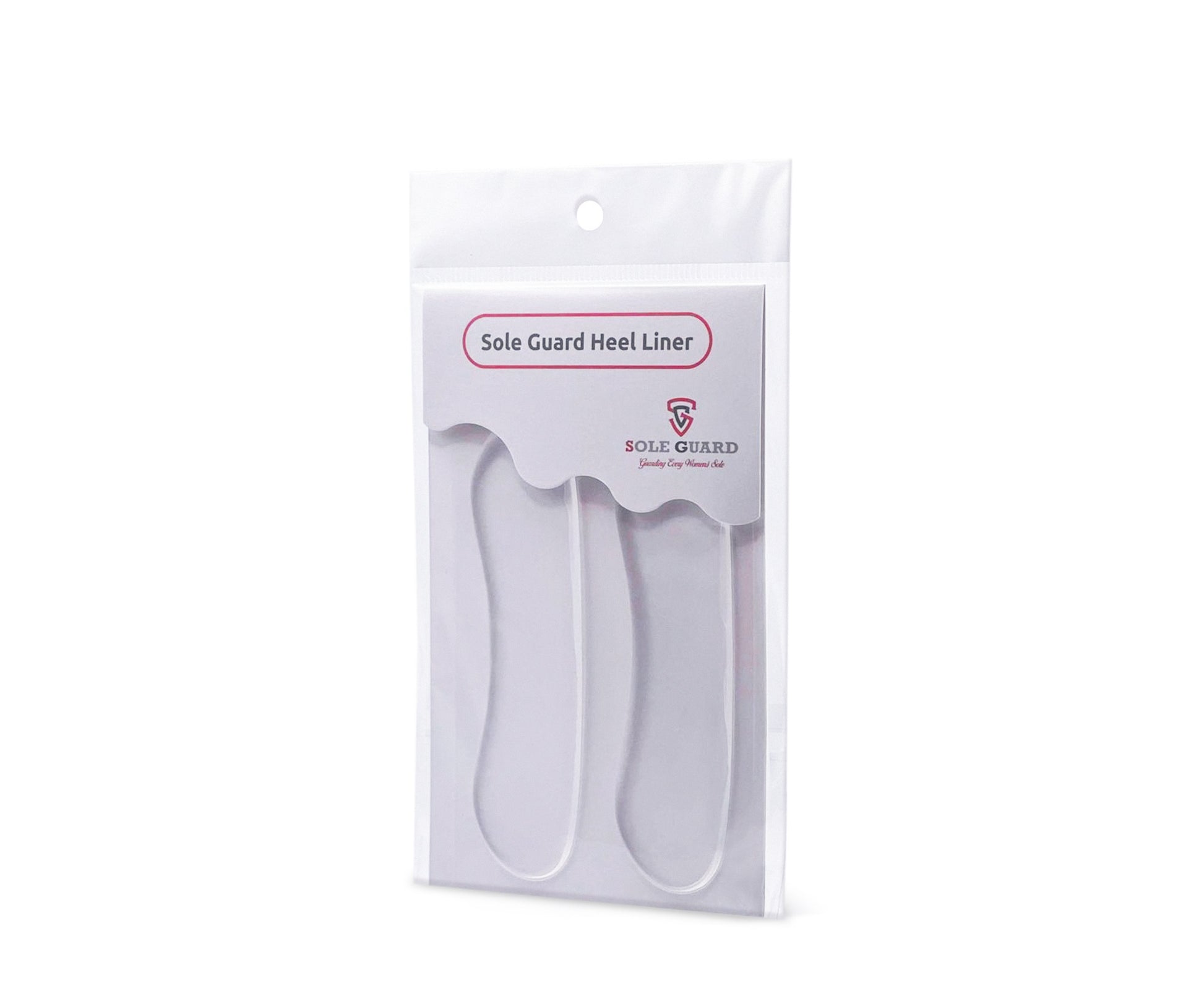
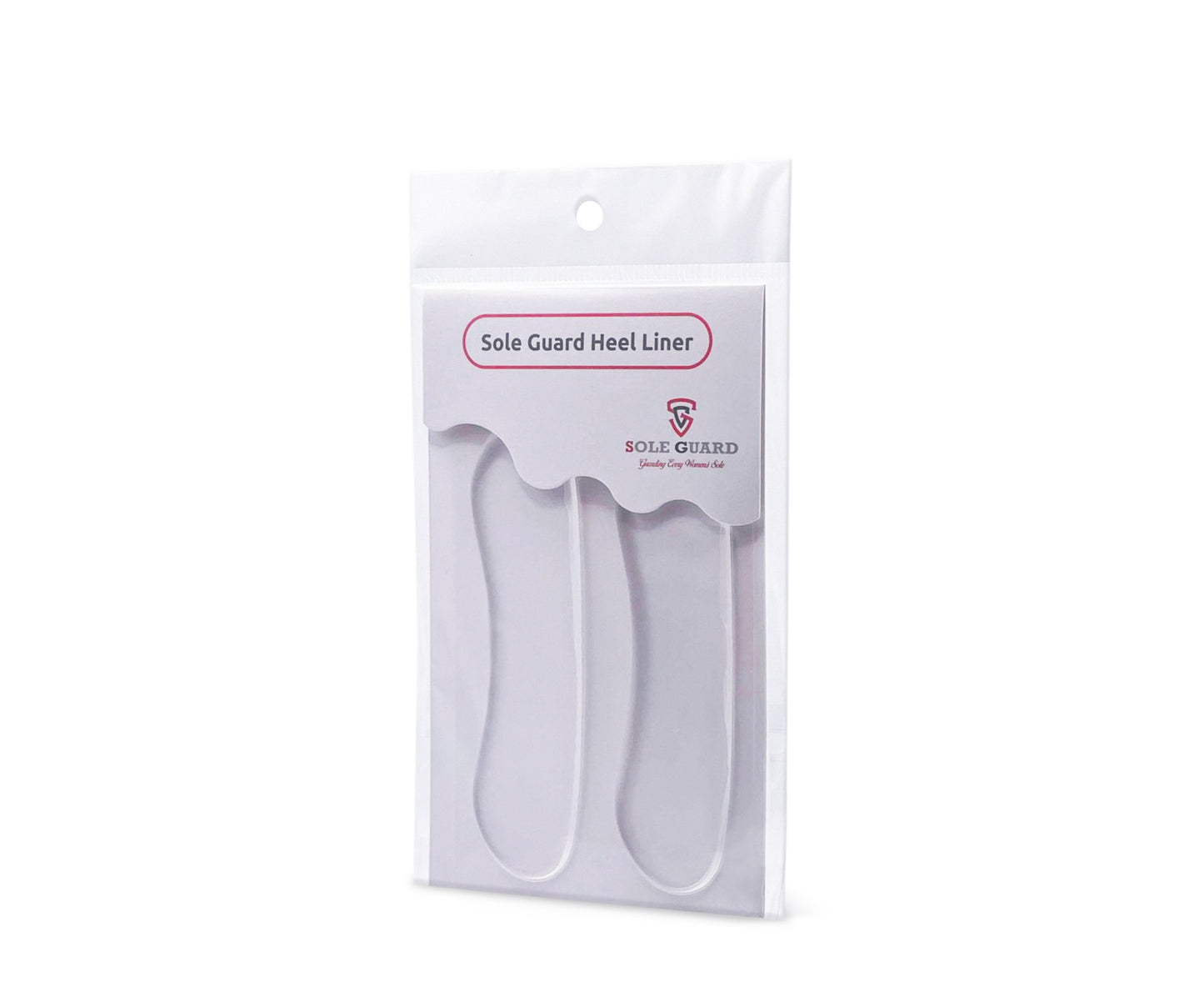
Sole Guard Heel Liners are clear gel pads designed to sit inside the back of the shoe, where they help reduce rubbing and excess heel movement. They are useful when heels feel slightly loose or when the shoe's back creates uncomfortable friction during wear. Each set includes two 22 mm × 98 mm liners with peel-and-stick adhesive for simple application inside compatible closed-back footwear.
- Clear Gel Design: Transparent material stays discreet inside the shoe while adding cushioning behind the heel.
- Peel-and-Stick Application: Adhesive backing allows easy placement inside the heel counter without trimming or tools.
- Minor Fit Adjustment: Helps fill small gaps at the back of shoes that feel slightly loose.
How to Apply
How to Apply
- Wipe the inside heel area clean and let it dry.
- Test the liner position before removing the backing.
- Peel away the adhesive backing.
- Place the liner evenly inside the heel counter.
- Press firmly across the surface to secure it.
Customers Say
Share
Why Shoes Slip at the Heel
Heel slipping often happens when there is a small gap between the back of the foot and the inside of the shoe. This extra space allows the heel to move up and down with each step, making the fit feel less secure. Heel liners for shoes help fill that minor gap and create closer contact around the heel area. They are especially useful when the overall shoe size feels correct but the back still feels slightly loose. Adding a liner can improve fit without making major changes to the shoe or affecting how the rest of the footwear feels.
How Heel Liners Improve the Fit of Slightly Loose Shoes
A shoe can fit well through the toe and midfoot while still feeling loose around the heel. A heel liner for shoes adds a thin layer of cushioning inside the heel counter to reduce that extra space. This can help limit unnecessary movement and make the shoe feel more secure during walking. Heel liners are best suited for minor fit adjustments rather than footwear that is significantly too large. Proper placement is also important, since the liner should sit evenly where the back of the foot meets the shoe. This helps create a closer and more comfortable fit.
Reduce Friction at the Back of the Heel
Repeated rubbing between the back of the foot and the shoe lining can cause discomfort during wear. Heel blister pads for shoes create a soft barrier in this high-contact area, which may help reduce friction and irritation. The gel material adds light cushioning without permanently altering the shoe. This can be useful when breaking in new footwear or wearing styles with a firm heel counter. For best results, place the liner where rubbing occurs most often and make sure it stays securely attached. The goal is to reduce unnecessary contact while keeping the shoe comfortable and easy to wear.
Heel Liners for High Heels and Dress Shoes
Some footwear styles place more pressure around the heel because of their shape and construction. Heel liners for high heels can help improve the fit of pumps, stilettos, and other closed-back styles that feel slightly loose. They may also work well in flats, dress shoes, and similar footwear with enough room inside the heel counter. The clear design keeps the liner discreet while adding light cushioning behind the foot. Before applying, make sure the inside surface is clean and dry. A properly positioned liner can help reduce movement and make certain shoes feel more secure during everyday or occasional wear.
Frequently Asked Questions
What do heel pads for shoes do?
Heel pads for shoes sit inside the back of the shoe to help reduce excess heel movement and friction. They can also fill small gaps when footwear feels slightly loose around the heel. The soft gel surface adds light cushioning where the back of the foot meets the shoe. This may help in blister prevention and make walking more comfortable during regular wear.
Do the heel inserts help shoes that are slightly too big?
Yes. A heel liner for shoes can help fill minor space at the back when the overall shoe size is otherwise correct. This may reduce heel movement and create a closer fit. Heel grips are best for small fit adjustments and are not intended to correct shoes that are significantly too large.
Where should heel liners be placed inside shoes?
Heel liners should be placed inside the heel counter, where the back of your foot normally touches the shoe. Position the liner evenly before pressing it firmly into place. Correct placement helps the liner stay secure and provides cushioning in the area where slipping or rubbing is most likely to occur.
Can heel liners help reduce rubbing and blisters?
Heel liners create a soft barrier between the back of the foot and the shoe lining, helping reduce friction and rubbing. This may lower the chance of irritation during wear. Some shoppers also search for heel blister pads for shoes when looking for this type of cushioning, although results can vary depending on shoe fit and activity.
Can I use heel liners in high heels and flats?
Yes. Heel liners for high heels can be useful in pumps and other closed-back styles that feel slightly loose or create friction at the heel. They may also work in compatible flats and dress shoes. Make sure there is enough room inside the shoe so the liner does not make the fit uncomfortably tight.
How often should heel liners be replaced?
Replace heel liners when the adhesive starts to weaken, the gel loses its shape, or the liner begins to lift inside the shoe. Replacement timing depends on how often the shoes are worn and how much pressure the liner receives. Check the liner regularly and replace it when it no longer stays securely in place.
Additional Information
How to Position Heel Liners Correctly
Correct placement helps heel liners for shoes stay secure and work as intended. Start by cleaning the inside of the heel counter and letting it dry completely. Before removing the backing, test where the liner should sit based on the area that feels loose or rubs during wear. Place the liner evenly inside the back of the shoe, then press firmly across the surface. Avoid positioning it too high or too low. A well-placed heel liner should sit flat and make contact with the heel without creating uncomfortable pressure.
When Heel Liners Work Best
Heel liner for shoes options are most useful when footwear fits well overall but feels slightly loose around the heel. They can help fill a small amount of extra space and reduce excess movement during walking. They are not designed to correct shoes that are significantly too large or poorly fitted throughout the foot. In those cases, a different size or style may be more appropriate. Shoe heel liners work best as a minor fit adjustment, especially when the issue is localized to the back of the shoe rather than the entire fit.
Heel Liners for New and Broken-In Shoes
New shoes can sometimes feel firm around the heel, while older pairs may become slightly looser after repeated wear. Heel liners for high heels can be useful in both situations by adding a soft layer inside the heel counter. In newer footwear, they may help reduce friction while the material begins to soften. In broken-in shoes, they can help fill small gaps that develop over time. The liner should not make the shoe feel tight. The goal is to improve contact at the heel while keeping the overall fit comfortable and natural.
When Should You Replace Heel Liners?
Replace heel liners when they no longer stay firmly in place or when the gel begins to lose its shape. Other signs include lifting edges, reduced cushioning, or adhesive that no longer holds securely. Replacement timing depends on how often the shoes are worn, moisture exposure, and the amount of pressure placed on the liner. Check the liner periodically rather than waiting until it becomes completely detached. A fresh liner can help maintain a consistent fit and provide reliable cushioning at the back of the shoe.
How to Remove Heel Liners
Remove shoe heel liners slowly to avoid pulling unnecessarily on the shoe lining. Start at one edge and peel the liner back gradually instead of removing it quickly. If the adhesive feels firm, gentle warmth can help soften it before removal. Avoid using sharp tools or strong solvents inside the shoe. After removal, check the heel counter for any residue and wipe it gently if needed. Taking your time helps protect the interior material and prepares the area for a replacement liner if you plan to apply a new one.
How to Apply Sole Guard
First, be sure to clean your shoe’s soles to ensure the best adhesion. Then, partially peel the tip of the Sole Guard protector and place it on the tip of your shoe’s sole. Slowly peel away the rest of the protector and match the outlines. After that, smooth out any air bubbles and you’re ready to go! Watch the video to see how it’s done.